
Kenya Confirms First Ebola Case as Patient Who Travelled from DRC Dies in Nairobi
News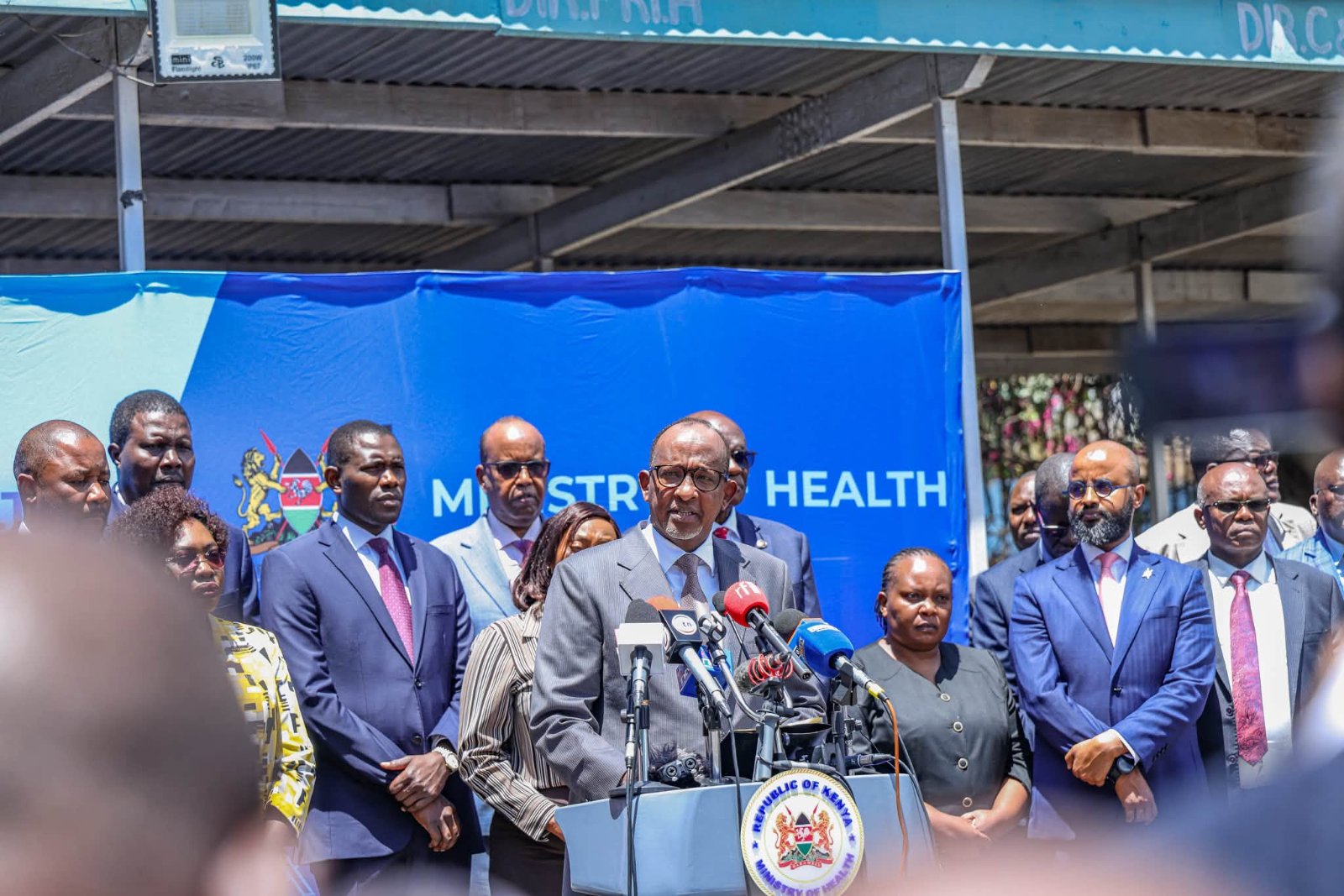
NAIROBI, October 6, 2026. Kenya has recorded its first confirmed case of Ebola, and the patient has died, Health Cabinet Secretary Aden Duale announced on Tuesday.
The patient, a Kenyan citizen who had lived in the Democratic Republic of Congo for seven years, was infected with the Bundibugyo strain of the virus, a rare and often fatal form of Ebola disease. He is the first person in Kenya to be diagnosed with the illness.
A long journey home
According to the Ministry of Health, the man fell ill about a month ago and was treated at several hospitals in the DRC. He then travelled by road to Kampala, Uganda, where he boarded a Jambojet flight to Nairobi, arriving on Saturday.
At Jomo Kenyatta International Airport, he underwent the standard health screening conducted by Port Health officers and cleared immigration. A relative and a friend then drove him directly to Nairobi Hospital.
Isolated on arrival
Doctors at the hospital suspected a viral haemorrhagic fever and isolated him immediately. Samples taken from the patient tested positive for Ebola. Despite supportive treatment, he died at 11:30 pm on Monday.
The Ministry said his burial would take place on Tuesday, in line with Ebola safety protocols, which strictly control how the bodies of victims are handled to prevent further infection.
Government response
The ministry has activated its national Ebola incident management system, with contact tracing, border surveillance and coordination with neighbouring countries under way. Kenya has also notified the World Health Organization of the case, as required under the International Health Regulations.
The case comes as the DRC battles a major Bundibugyo outbreak that was declared in May. Kenya is now among a small number of countries outside the DRC to have recorded a case linked to it.
Questions over screening
The patient's journey is likely to raise questions about how effective airport screening is at detecting travellers who have been ill for weeks. Authorities have indicated that the patient's condition may not have been obvious at the point of entry.
What the public should know
Health authorities generally advise people to:
Wash hands regularly with soap and water or use sanitiser. Avoid contact with the blood or bodily fluids of anyone who is sick. Seek medical care immediately if they develop fever, severe fatigue, muscle pain or unexplained bleeding after travel from an affected area, and tell the health worker about that travel history. Rely on official Ministry of Health updates rather than unverified social media posts.